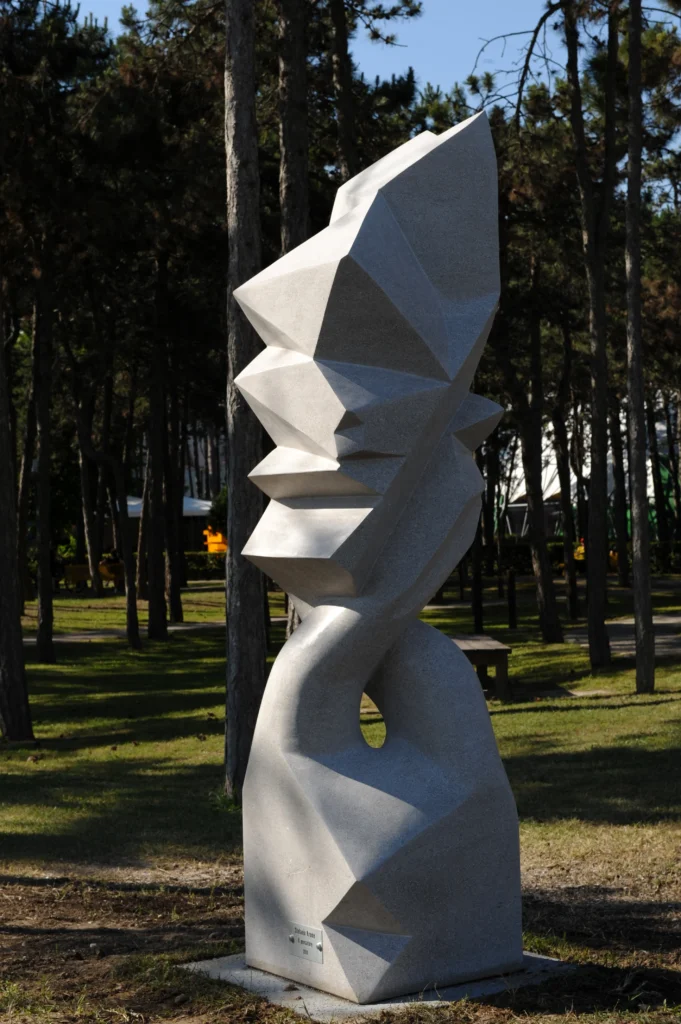
While Rodin’s Thinker is characterized by its organic, muscular physique, Il Pensatore breaks with this tradition. The sculpture consists of sharply cut, faceted surfaces that symbolize the very process of thinking: multilayered, contradictory, sometimes rough and angular, but always in motion.
The lower part of the sculpture exhibits a dynamic twist of the body, almost as if the figure is turning out of the stone, a metaphor for inner conflict and the perpetual striving for insight. My thinking is not a static act, but rather a state of becoming, of searching, and questioning.
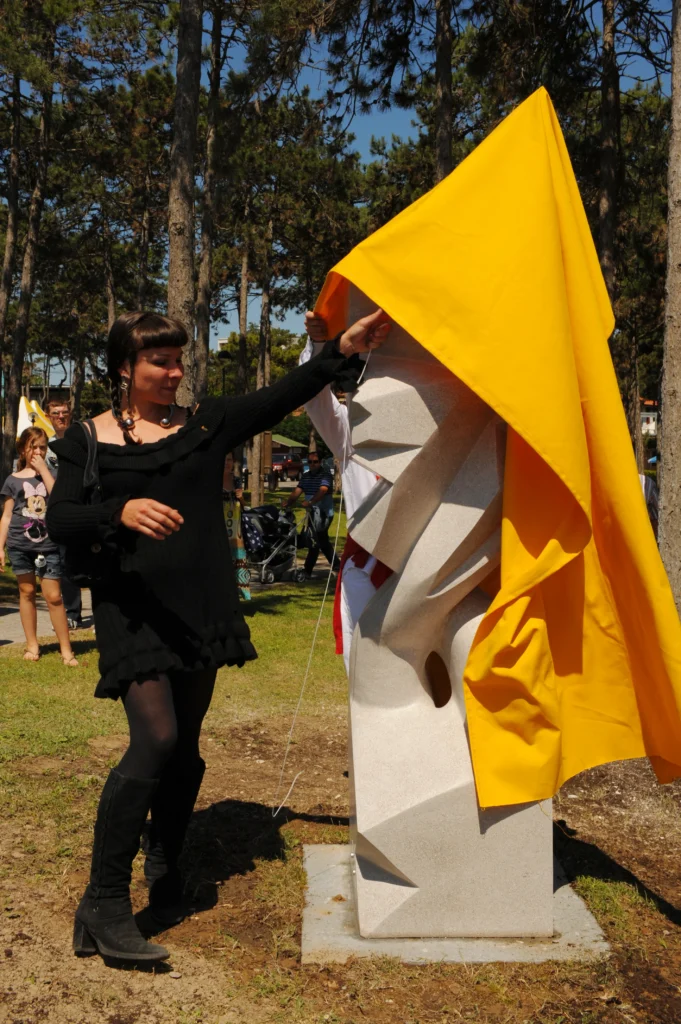
As Il Pensatore ascends, it transforms into an increasingly fragmented form. The sharp-edged polygonal structures become denser, resembling a mass of rock shaped by countless thoughts. These structures embody the cognitive complexity of the human mind, the endless layers of deliberations, doubts, and visions that overlap in the thoughts of a thinker.
The marble not only gives the sculpture an archaic permanence but also allows for a shifting interplay of light and shadow. Depending on the sun’s position, the perception of Il Pensatore changes: the edges cast sharp, graphic shadows, while the polished surfaces emit a soft glow. A perfect symbol for the light of realization and the shadows of doubt that inevitably alternate in the process of thinking.
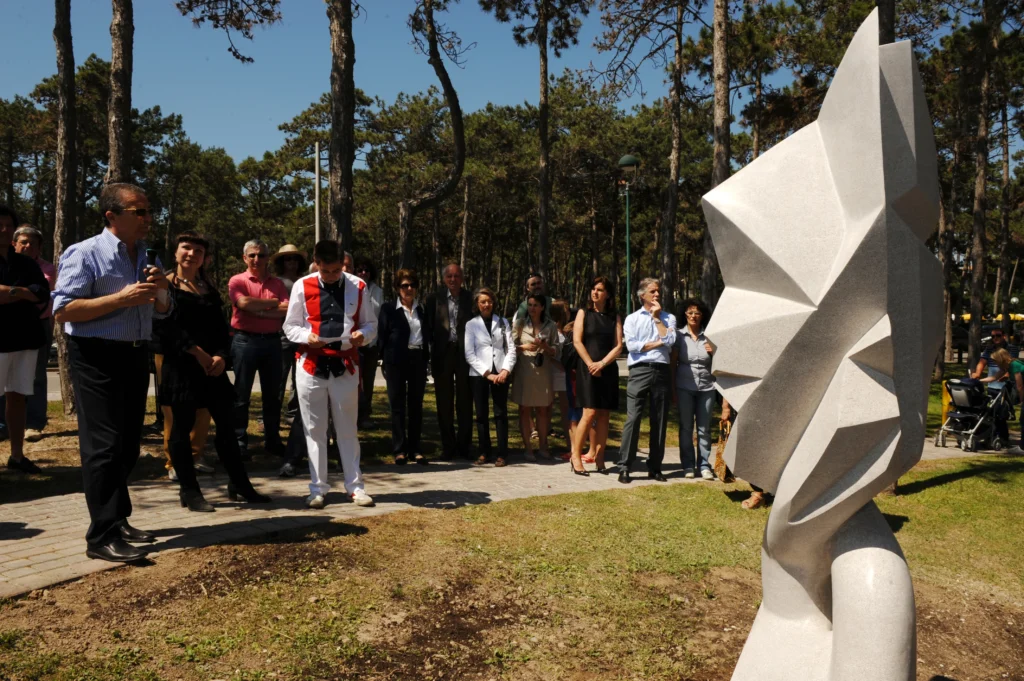
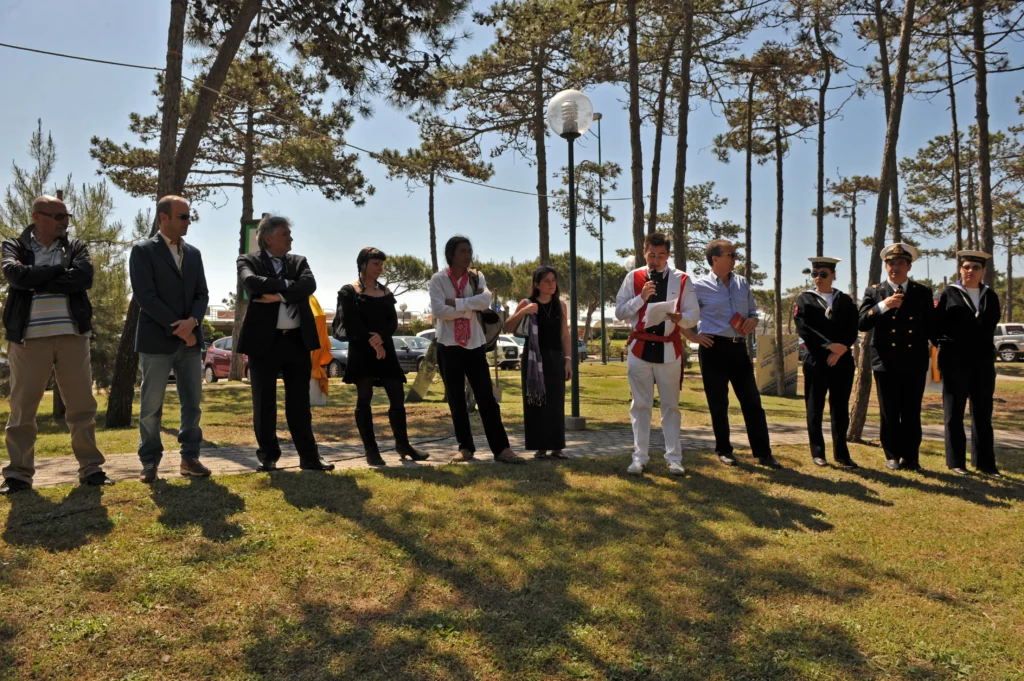
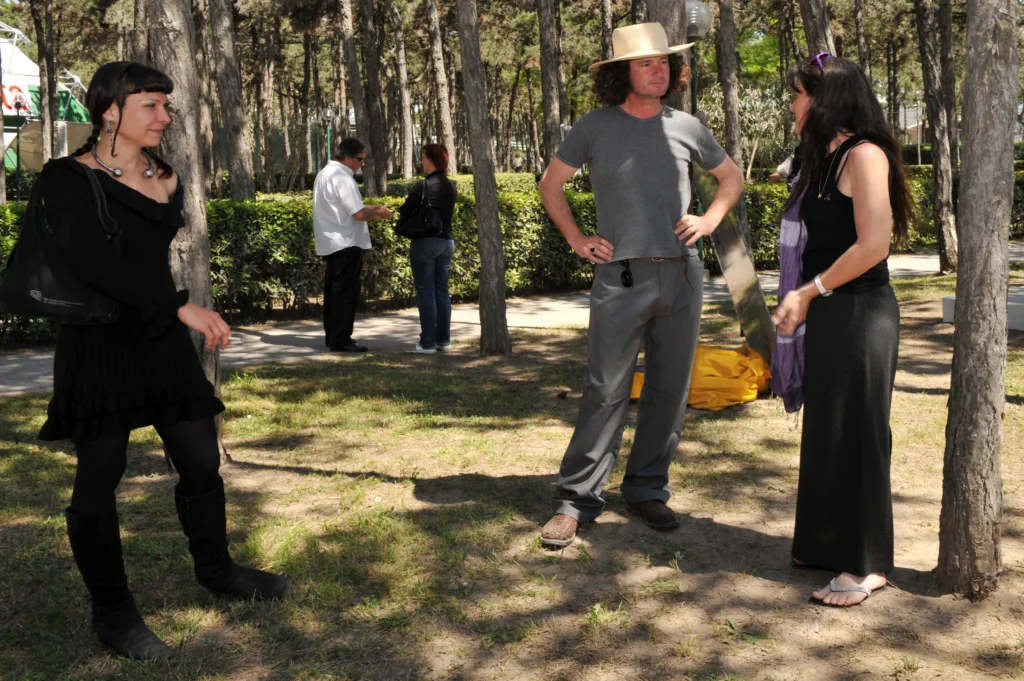
During the creation of this sculpture, I deliberately avoided an overly smooth, idealized surface. The intentional fractures and irregularities in the stone are essential to the concept. They represent imperfection, something that only truly unfolds through thought and reflection. For knowledge is never final, but rather a constantly evolving process.
With Il Pensatore, I wanted to invite the viewer not only to see but to think. Those who approach the sculpture may feel the tension between structure and chaos, between order and fragmentation. Perhaps in the polished surfaces, one might recognize one’s own uncertainties, one’s own questions.
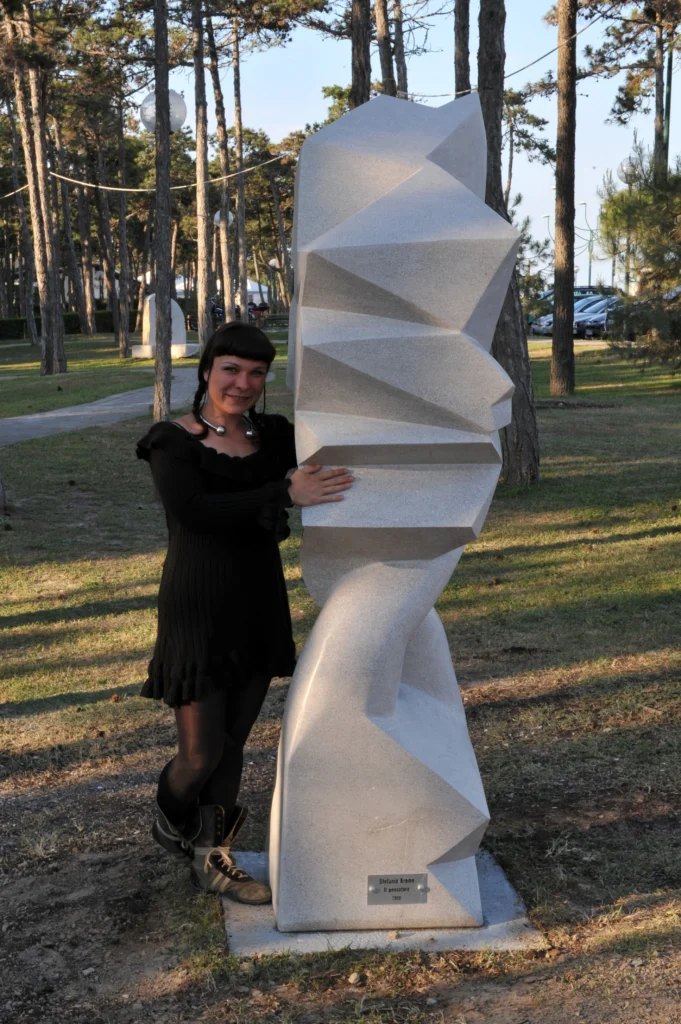
The sculpture embodies my power of thought, but it is also a reminder that consciousness can never be forced into a rigid form. Il Pensatore is not an idealized hero of the intellect, but a being in constant reflection, living in uncertainty yet always searching for clarity.
Ultimately, the interpretation is yours to make. Perhaps Il Pensatore is a fragment still in formation. Maybe it is a metaphor for modern humans, who must find their way in an increasingly complex world. Or maybe, it is simply a reminder to take time to think, in a world that often moves too fast for us to pause. Anyway, overthinking isn’t good at all.
Lignano (Italy) 2010